Ideas on the Run: How Running Fuels My Creative Life

Ideas on the Run: How Running Fuels My Creative Life

Inner Voice image

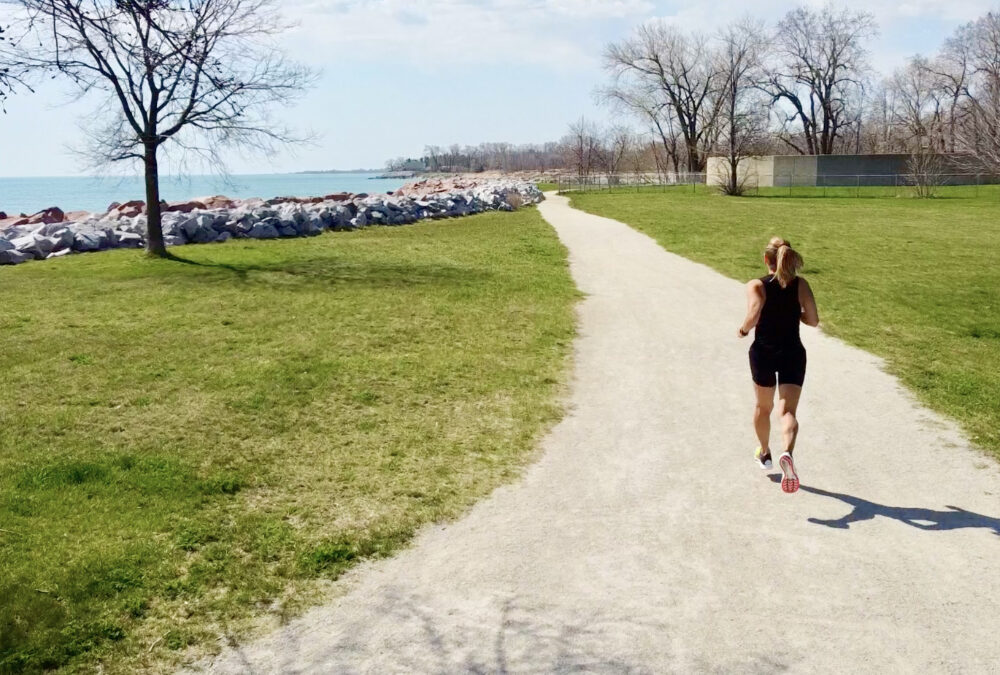
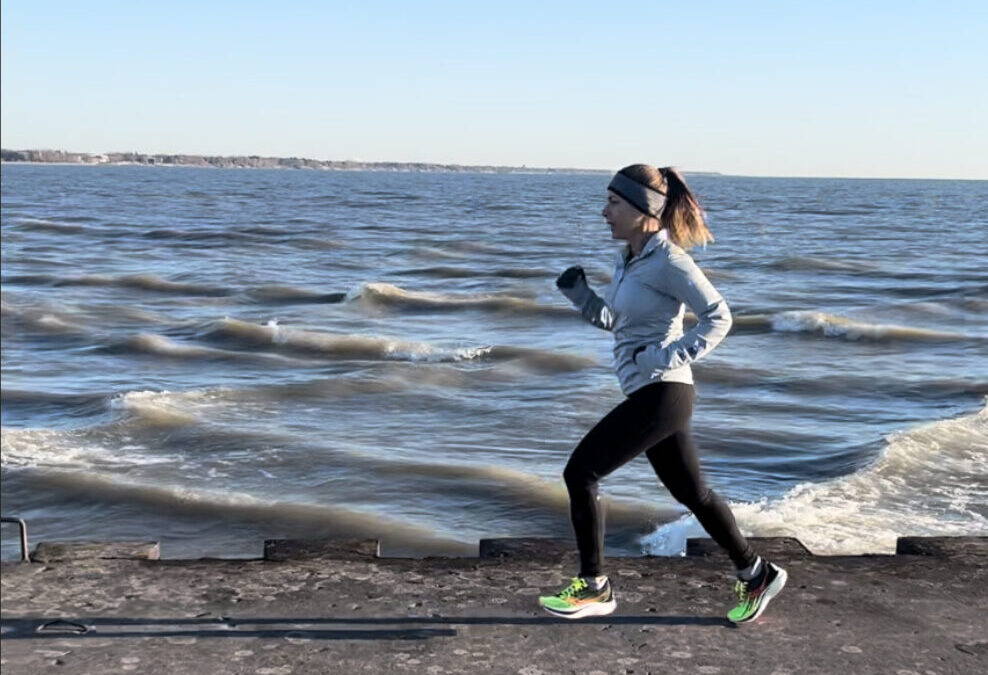
Some of my best ideas don’t come when I’m sitting at my desk, staring at a blank screen. They show up when I’m out on an easy, sweaty run—no notes, no laptop, just the steady rhythm of my breath and my footsteps.

I’ve realized over time that running isn’t separate from my creative work—it’s part of it. Many of my projects start taking shape somewhere between mile two and mile six. Full marketing campaigns, social media post series, even long-term creative plans for clients have all been born while I’m dodging puddles or zoning out to the sound of my shoes hitting the pavement. Honestly, some of my best work has come to life on runs that weren’t meant to be anything more than “easy miles.”

And apparently, I’m not alone in this. A Stanford study found that walking boosts creative thinking, with participants generating nearly twice as many creative responses when walking compared to sitting (Stanford News). It makes sense—movement frees the mind. So while I may not be solving the world’s problems out there, I’m definitely solving design ones.

It’s a strange mix of exhaustion and clarity, but runners know what I mean: that running high where your body is moving, your mind is free, and suddenly the dots connect in ways they don’t when you’re glued to a screen. I’m not sure if other runners brainstorm this way, and I’m not sure if other creatives get their best flow in the middle of training—but for me, the overlap is undeniable.

And it goes deeper than ideas. Running has taught me things I bring into my creative and professional life every day:

Strength — it’s not just physical. It’s the resilience to push through when the campaign, or the project, feels endless.

Commitment — showing up for the long run, just like showing up for the client, the brand, or the vision.

Consistency — because whether you’re chasing a personal record or a new career opportunity, progress is built one step at a time.

The parallels are everywhere. Training for a race feels a lot like building a career or launching a creative project—you can’t skip the base miles, you can’t fake the work, and you won’t get results overnight. Strength, commitment, and consistency will take me to my next PR and, in the same way, to my next professional role.
Sometimes I even get a little high just from brainstorming mid-run. I’ll come home flushed and sweaty, but buzzing with ideas, like I just cracked a code. Those are the moments that keep me running—not just running miles, but running my life.

If only I could plan my entire life as straightforwardly as I plan my weekly runs. Lace up, follow the route, finish the distance. But maybe that’s the beauty of it. Life, like running, isn’t perfectly linear—but it’s in showing up, step after step, that purpose and satisfaction reveal themselves.

What about you—where do your best ideas show up? I’d love to hear if you’ve ever had those “aha” moments in unexpected places. Drop a comment or share your own version—I’m always curious how others find their flow.

Mind-Body Connection and Running: Reclaiming Your Inner Voice

Mind-Body Connection and Running: Reclaiming Your Inner Voice

Inner Voice image

There’s something that happens every time I run, and it still surprises me. I could start off frustrated, distracted, overwhelmed—doesn’t matter. The moment my feet hit the pavement, it’s like my mind begins to unravel, in the best way. The thoughts don’t disappear, but they loosen their grip. And by the time I’m done, I feel lighter, clearer. Not always with answers, but always with a sense of calm. Running has become my reset button—a way to reconnect with myself, no matter where I started.

That’s what led me to start thinking about intentional miles—not just running for fitness or pace, but running as a practice of tuning out the noise and tuning back into something deeper. Because these days, with all the external voices shouting for attention—social media, opinions, comparisons, even our own inner critic—it’s getting harder to hear the one voice that actually matters: our own.

In our hyper-connected world, we’re bombarded with messages—from social media, peers, and even our own internal dialogues. These voices, often uninvited, can cloud our judgment and disconnect us from our true selves. Running, for many, becomes a sanctuary—a way to disconnect from external noise and reconnect with our inner voice.


Distinguishing the Inner Critic from Intuition

I’ve noticed there’s a sneaky little voice that loves to chime in whenever I’m about to try something new or take a risk. You probably know it too—it’s the one that says, “Are you sure you can do this?” or “What if you mess up?” That’s the inner critic, and it’s a master of disguise. It pretends it’s just trying to protect us, but really, it’s stuck in the past, recycling fears and doubts that don’t really serve us anymore.

On the other hand, there’s intuition. It feels completely different—calmer, more spacious, and usually doesn’t say much at all. It’s more like a quiet knowing, a gentle nudge in the right direction. The trick is telling them apart. For me, it often comes down to how my body feels. If I’m tense, anxious, or second-guessing myself, that’s usually the inner critic in action. But if I feel more open and at ease, even if I don’t have all the answers, I know it’s my intuition speaking up.


The Power of the Mind-Body Connection

One of the biggest lessons I’ve learned from running—and honestly, from life—is that what’s going on in our heads shows up in our bodies, and vice versa. Stress isn’t just a mental thing; it lives in our shoulders, our necks, and our gut. That’s why moving my body—whether it’s running, doing yoga, or just taking a few deep breaths—can be such a game-changer.

Breathwork, for example, has been a lifesaver for me. It’s like a secret weapon against stress and overwhelm. Just a few minutes of focusing on my breath, and everything starts to slow down. My mind clears, and I can actually feel the tension melting away. It’s a simple practice, but it helps me reconnect with the calm and steady part of myself that knows what I need.


Embracing Stillness Amidst Movement

Although running is a powerful way to clear my head, I’ve found that adding a few quiet moments afterward can make it even more meaningful. Sometimes that’s just sitting on a bench for a few minutes, letting my breath slow down. Other times it’s journaling about whatever thoughts came up on the run, or simply lying in the grass, staring at the sky.

These little pockets of stillness—especially after the movement—help me make sense of what’s going on inside. They’re like an invitation to listen more closely to that quiet voice within. And honestly, that’s where the real magic happens.


Practical Steps to Reconnect

  • Mindful Running: Focus on your breath, the rhythm of your steps, and the sensations in your body. Let go of distractions and be present.
  • Post-Run Reflection: After your run, take a few minutes to sit quietly. Notice any thoughts or feelings that emerge. Journaling can be a helpful tool here.
  • Body Scans Regularly check in with your body. Notice areas of tension or discomfort and explore what emotions might be associated with them.
  • Limit External Noise: Designate times to disconnect from digital devices and social media. Create space for your inner voice to emerge.
  • Seek Support: Engaging with therapists or joining support groups can provide additional tools and perspectives to navigate internal dialogues.

By intentionally integrating these practices, you can cultivate a deeper connection with your intuition, navigate life’s challenges with clarity, and foster a harmonious relationship between your mind and body.

I’d love to hear about your running experiences—let’s share our stories, celebrate our victories, and support each other through the highs and lows of this incredible journey!

With love and care, Francis.

Running the Sydney Marathon: A Bittersweet Dream

Running the Sydney Marathon: A Bittersweet Dream

Francis Sydney

Some adventures leave you with a mix of emotions, and my trip to Australia for the Sydney Marathon was one of them. On the surface, it was a dream come true—an incredible race, breathtaking sights, and unforgettable memories. But beneath all the excitement, there was also a deeper, more emotional layer to the experience. I’ll get to that in a bit.

But first, let’s start with the journey!

The Long Journey Down Under

Australia has always been on my bucket list, and what better way to experience it than by running a marathon, right? Well, that 16-hour flight from Chicago to Sydney? (first one quick stop in LA) Not for the faint-hearted! I’ll admit, it was far from the comfort I’d imagined. Thankfully, compression socks and a few mid-flight stretches helped keep my legs feeling human by the time we landed. I recommend both to anyone flying long distances, especially if you’re planning on running 26.2 miles after!

We touched down at Sydney Airport around 8:00 AM on Friday, and from there, it was a quick train ride to Circular Quay Station. Fun fact: Sydney’s train system is one of the cleanest and most efficient I’ve ever experienced. It’s a far cry from what I’m used to back home! I highly recommend using it if you ever visit; it’s affordable, punctual, and easy to navigate. After dropping our luggage at a Bounce Storage (shout-out to them for saving us since our Airbnb wasn’t ready until later in the afternoon), we did what any jet-lagged, sleep-deprived runner would do—we went for a run!

Yes, you read that right. We changed into our running gear and knocked out a quick 3-mile run straight to the marathon expo. Was it a crazy decision? Absolutely. But running through the streets of Sydney, with the harbor in the background and the Opera House peeking into view, it was totally worth it. Sydney’s energy was infectious, and we were ready to embrace every moment of it.


A Day at Manly Beach

Saturday, the day before the race, was all about soaking up Sydney’s natural beauty. We took the ferry to Manly Beach, which, let me tell you, is an experience in itself. The ferry ride is short but packed with stunning views of the Sydney skyline, the Opera House, and the massive Harbour Bridge. And when you arrive at Manly Beach, you’re greeted by pristine sands and the rolling waves of the Pacific Ocean. It’s a bustling spot with lots of tourists, but there’s something magical about the laid-back vibe there.

We grabbed lunch by the harbor and spent a good part of the afternoon walking along the beach, soaking in the sunshine, with a nice walk through the Manly Markets viewing a range of local memorabilia and goods. In hindsight, we might’ve walked a bit too much the day before a marathon, but hey, we were there to experience it all! That night, back at the Airbnb, we prepared our pasta dinner (gotta get those carbs!) and were in bed by 7:30 PM—early, but we had a big day ahead of us.


Race Day: The Sydney Marathon

I had just come off a great training season. Every mile, every workout, every long run felt like it had built me up for this moment. I knew I was well-prepared for the race, but one thing always lingered in my mind—the weather. The Sydney Marathon is known for unpredictable conditions. Last year, the temperature at the start was around 70°F, which isn’t exactly ideal for running 26.2 miles. So, going into it, I wasn’t even sure if I was going to race it, or just aim to finish. But I had trained my best, both mentally and physically, and I wasn’t about to let any external factors rule my run.

That morning, however, threw me a curveball in the best way—it was cold. A crisp 40°F with some strong winds. It was much colder than I expected, but honestly, cooler temperatures are a runner’s dream. I couldn’t have asked for a better set of conditions besides the strong wind. Standing at the start line, I felt a familiar excitement bubbling up, the same rush I feel before every race. It was that perfect blend of nervous energy and pure adrenaline.

I located the 3:30 pacer and mentally locked in. My mantra for the day was simple but powerful: “I belong here.” Every time a flicker of doubt tried to creep in, I’d repeat those words to myself. The start line of a marathon can be overwhelming—hundreds, sometimes thousands of runners, all buzzing with energy, and the looming distance of 26.2 miles ahead. But I reminded myself that I had earned this moment. I was ready.

When the race kicked off at 6:15 AM, I felt an amazing sense of calm wash over me. I didn’t have any particular time goal in mind—I wasn’t aiming for a personal best or a specific finish time. Instead, my plan was to keep a steady pace with the 3:30 group and, most importantly, enjoy the experience. This race wasn’t about pressure; it was about testing my limits while savoring every mile.

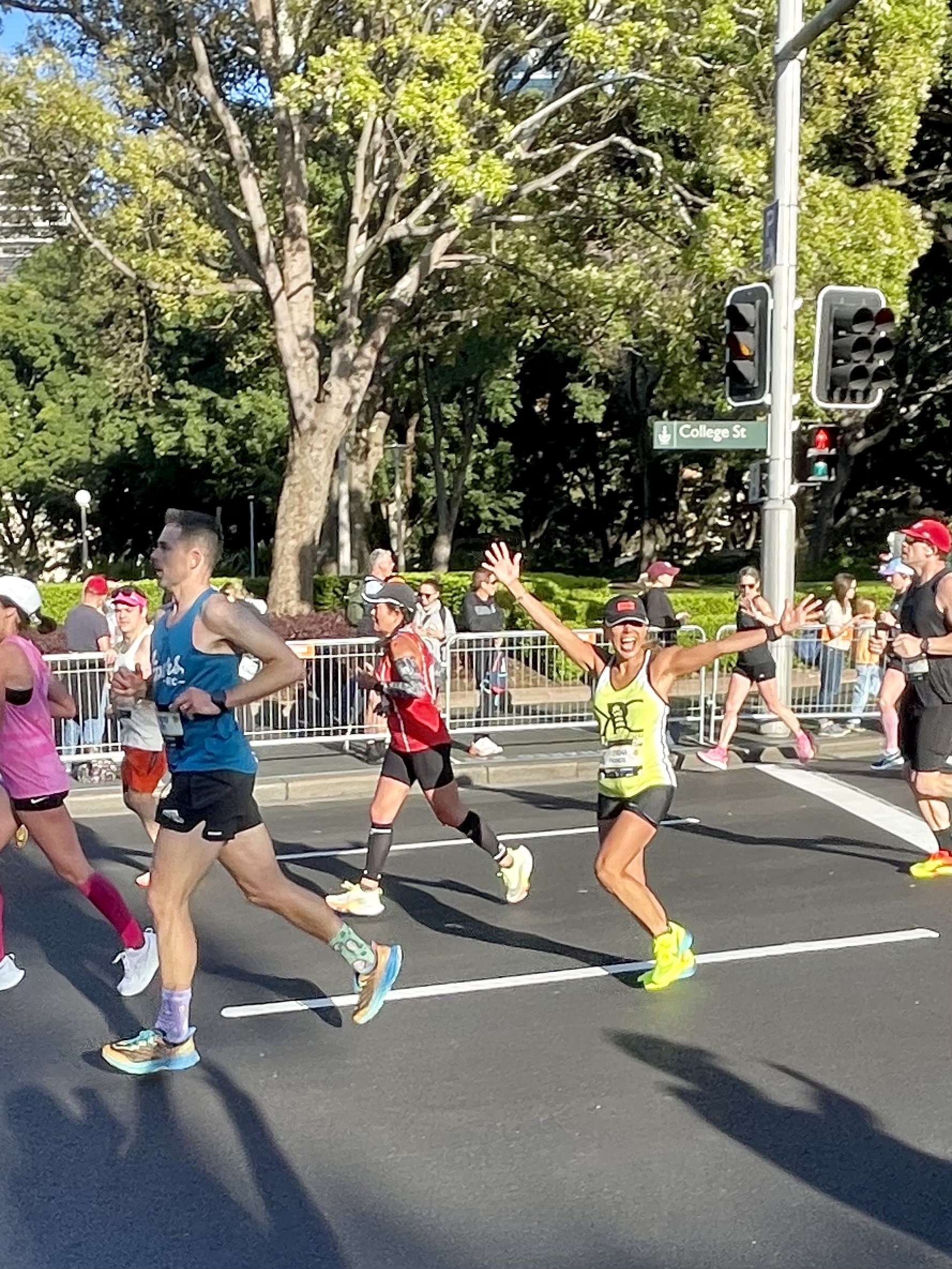
And let me tell you, that first half of the race felt incredible. The early miles ticked by, and I focused on one mile at a time. No overwhelming thoughts about the finish line, no stress over my pace. I just focused on staying in the moment, taking in the sights, and embracing the challenge. The route took us through some of the most iconic spots in Sydney—crossing the Harbour Bridge with the Opera House in the distance was surreal.

But it wasn’t all smooth sailing. The course was tougher than I expected, full of rolling hills and sharp turnarounds. My legs felt the burn early on, but I had trained for this. Every incline, every descent, I reminded myself that I was prepared. Somewhere around mile 18, fatigue started to set in, and I walked twice—just for a few seconds each time. I knew I needed those moments to reset and regain focus.

By the time I hit mile 24, the pain was real. My legs were screaming at me to stop, and for a moment, I actually considered walking the rest of the way. The thought crossed my mind: “Maybe I’ve given enough already. Maybe I should just take it easy from here.” But then something shifted. I felt this fire light up inside me when I realized that, despite the pain, I was on track for a personal best.

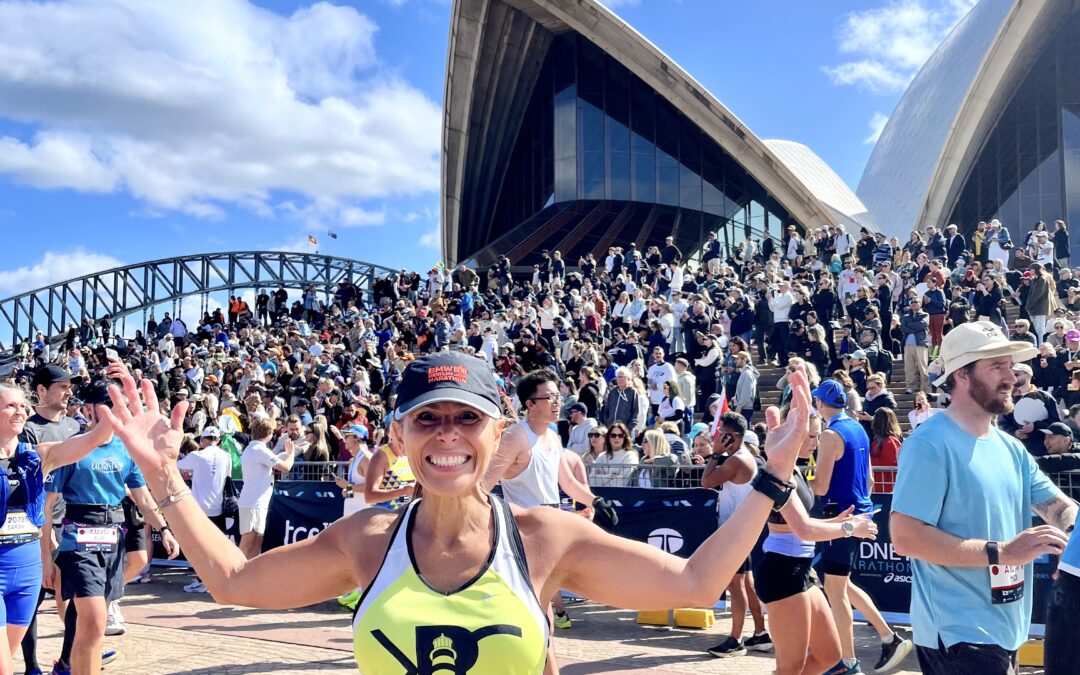
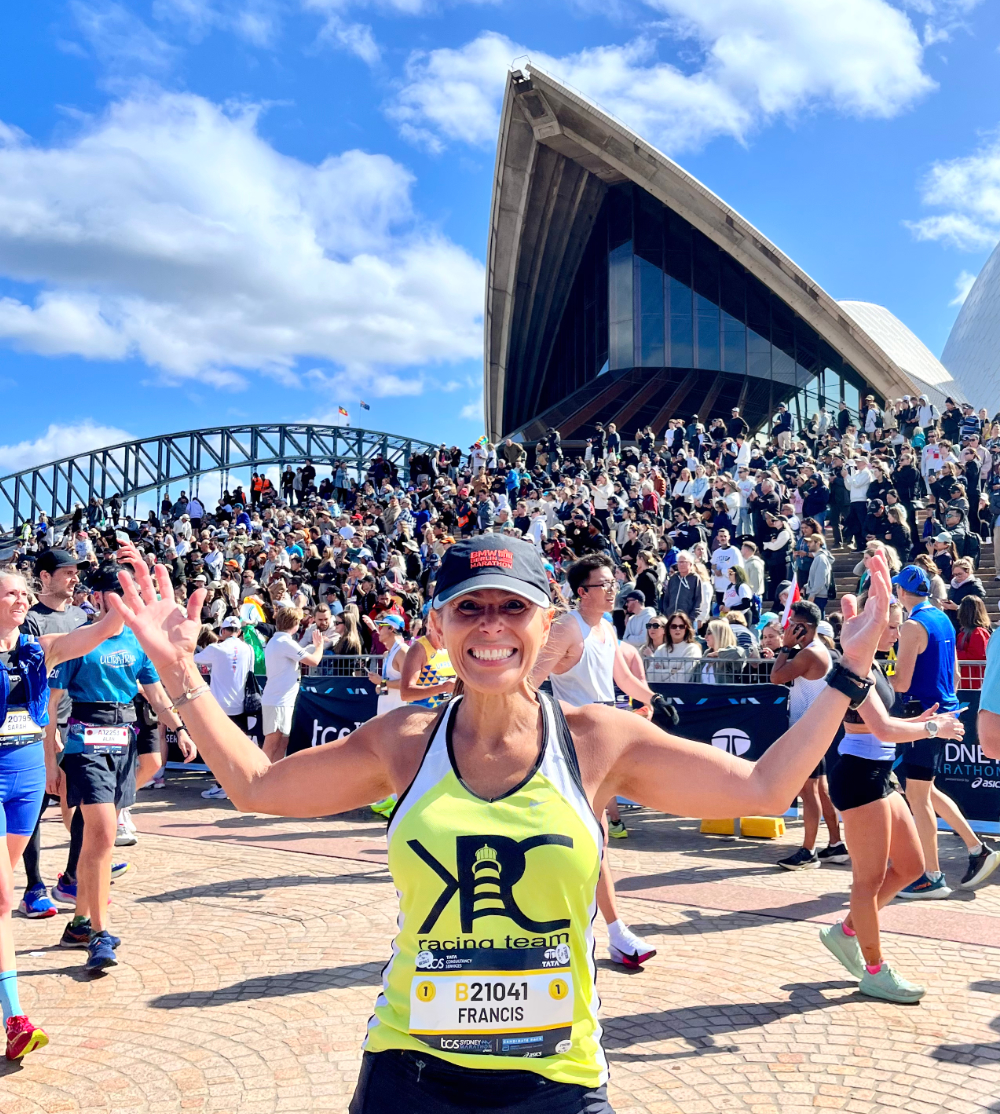
Suddenly, the fatigue in my legs didn’t matter anymore. My mind was on fire, and I knew I had it in me to push harder. I could see the finish line within reach, and I gave everything I had left. Those final miles were a blur of grit, determination, and pure adrenaline. When I crossed that finish line at 3 hours and 33 minutes, I was overwhelmed with joy and pride. Four minutes off my personal best!

The moment I finished, it was like the discomfort disappeared. My legs no longer felt like they were on fire, and the exhaustion melted into the background. All I could feel was happiness—pure, radiant happiness. I was all smiles, soaking in the atmosphere, and feeling like I had just accomplished something truly special. It’s funny, I think I’ve said it after almost every race, but this was hands down the best race experience ever.

I couldn’t have been prouder of my performance. The months of hard work, discipline, and sacrifice had paid off in a way I hadn’t even anticipated. It wasn’t just about the personal best; it was about the entire journey—mentally, physically, and emotionally. This race, this experience, was proof that when you trust in your training and give your best effort, the results will always leave you smiling.


The Blue Mountains: A Scenic Escape

After celebrating the race (and walking off any lingering soreness), we took an early train to Katoomba the next day to explore the famous Blue Mountains. I had seen pictures of the region before, but nothing compares to seeing it in person. It’s called “blue” because of the blue haze that hovers over the eucalyptus trees—it’s truly a sight to behold.

Our first stop was Scenic World, where we took a ride on the Scenic Railway, the steepest passenger train in the world! We also glided across the valley on the Skyway and soaked in the panoramic views from the Cableway. Every direction you looked was postcard-perfect. Towering cliffs, lush valleys, and endless eucalyptus forests—it was a nature lover’s paradise. If you’re ever in Sydney, this is a must-do!


Exploring Robertson: The Hidden Gem

From Katoomba, we headed to Robertson, a small village about two hours away. If you’ve never heard of Robertson, you’re not alone. It’s a bit of a hidden gem, tucked away in the Southern Highlands, but it’s worth the trip! The village is surrounded by rolling hills, lush rainforests, and picturesque farmland. We spent the next four days hiking through some of the most beautiful trails, lounging on quiet beaches, and indulging in visits to local breweries and wineries.

I felt completely connected to nature there. The trees seemed to beckon me with open arms, and yes, I hugged them—no shame! There’s something so grounding about being surrounded by so much natural beauty. It was the perfect way to recover from the marathon and reconnect with myself.


Back to Sydney, and an Unexpected Twist

After our time in Robertson, we returned to Sydney for one last hurrah before our flight home. More walking, more amazing restaurants, and even more breweries to explore! Everything was going perfectly until we got to the airport on Sunday morning, only to find out that our flight had been delayed until the next day. Three hours later, after dealing with the airline, we decided to make the best of it. We headed back to the harbor for one final day of sightseeing. While it wasn’t ideal, Sydney was the kind of city where an extra day is never a bad thing.


A Bittersweet Goodbye

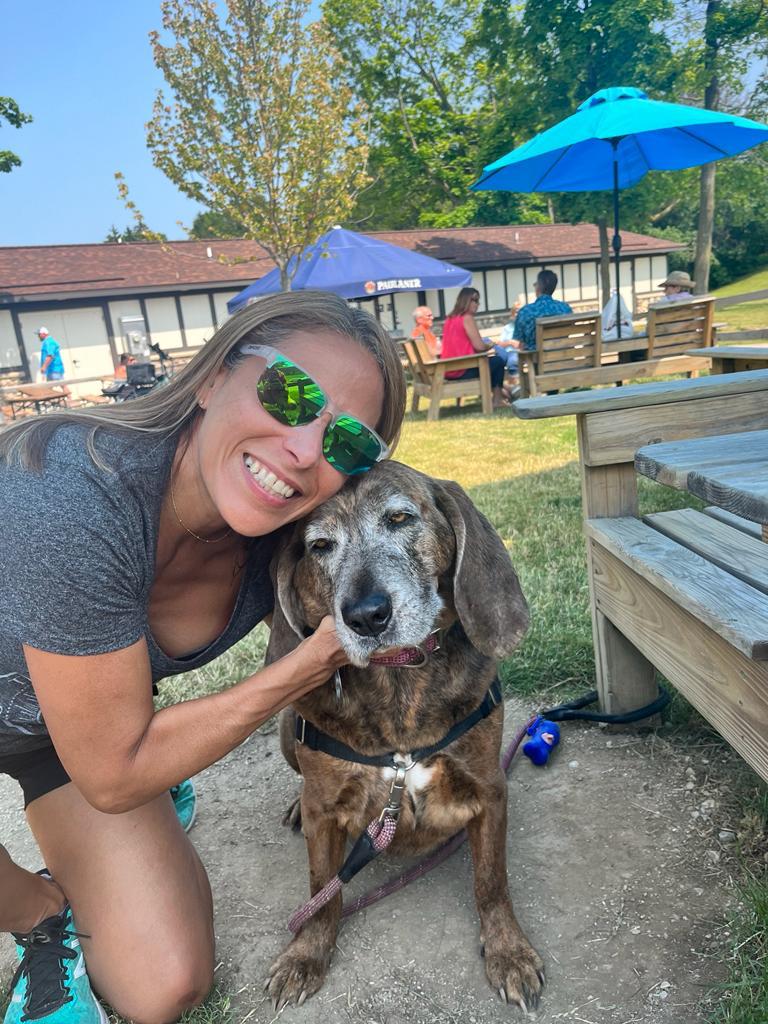
But as much as I loved Australia, there was a shadow over the trip. Back home, our sweet dog Maya had fallen ill while we were away. By Day 7 of our trip, after many difficult conversations and considering all possibilities, we received the heartbreaking news that she was getting worse and had to be rushed to the vet. The prognosis wasn’t good, and the decision was made to let her go peacefully.

The hardest part? We weren’t there to say goodbye. Coming home was a whirlwind of emotions—part joy from the incredible experiences we had, and part deep sadness from losing our beloved Maya. There’s no easy way to describe that kind of loss, but Maya will always hold a special place in our hearts.

I’d love to hear your marathon or running experiences—let’s share our stories, celebrate our victories, and support each other through the highs and lows of this incredible journey!

With love and care, Francis.
Francis Sydney Race
Maya

The Power of Choices in Running and Beyond

The Power of Choices in Running and Beyond

IM_Choices_Feature image
Making choices in running empowers us to take control of our progress, just as making choices in life helps us navigate our paths. Every decision—whether it’s the distance we run, the pace we set, or the routes we choose—shapes our running journey, helping us grow stronger and more resilient. Similarly, in life, every choice, big or small, sets the course for our journey. Some decisions are straightforward, while others require careful thought and introspection.

By making thoughtful choices in both running and life, we create journeys that reflect our goals and the kind of person or runner we aspire to be. These choices teach us responsibility, as we must own the outcomes of our actions, whether it’s achieving a personal best or learning from a tough experience. It’s important to choose what brings us joy and moves us forward, understanding that even when decisions are tough, taking a step is better than standing still. Our decisions, whether on the road or in life, guide us through our journeys, leading to new challenges and opportunities for growth.

Approach decision-making with mindfulness and intention, recognizing the impact our choices have on ourselves and those around us.
 

Here are some tips for making thoughtful choices

Know Your Values: Understanding what matters most to you can guide your decisions. When you know your values, you can make choices that align with your beliefs and long-term goals.

Consider the Consequences: Every choice has potential outcomes, both positive and negative. Take time to think about how each option might affect your life and the lives of others.

Stay Informed: Gather as much information as you can before making a decision. The more you know, the better equipped you are to choose wisely.

Listen to Your Intuition: Sometimes, your gut feeling can be a reliable guide. If a choice feels right or wrong, pay attention to that instinct.

Don’t Rush: Important decisions deserve careful thought. Take your time to weigh your options and consider all possibilities.

Learn from Past Decisions: Reflect on past choices and their outcomes. Learning from previous experiences can help you make better decisions in the future.

Accept That Mistakes Happen: No one is perfect, and everyone makes mistakes. If a choice doesn’t turn out as expected, use it as a learning opportunity and move forward.

With Love and Care, Francis.

Running with Intention

Running with Intention

IM Intention_Feature image

The driving force behind my runs is a conscious awareness of purpose, centered on fostering personal growth and fulfillment. While I often start without a specific intention, I’ve learned that letting my mind wander too much can leave me feeling disconnected from the activity. When irrational thinking takes over, things can quickly spiral out of control. I’ve realized that to truly enjoy or challenge myself in any situation, I need to control my mind, and my body will naturally follow. In any task, we can be more efficient if we have a clear goal, focus on the present moment, and remain mindful of it.

At times, my intention might be to improve speed or endurance, so I push myself harder during the run. Other times, I aim to enjoy nature, relax, or have a meaningful conversation with my running friends. In those moments, I take a slower pace, paying closer attention to my surroundings.

More often than not, running serves as a way to clear my mind and destress. My intention is to let go of worries and enjoy the feeling of being connected with my body. There are also times when I challenge myself mentally by practicing mindfulness or focusing on my breathing, allowing my mind to work through problems or boost creativity.

By setting different intentions for each run, I engage both my body and mind in various ways, making every run unique to my current needs and goals. Intentional actions stem from a sense of purpose, and ultimately, we must not forget why we run. Embrace it, make the most of it, and be intentionally happy doing what you love.

With love and care, Francis.
Running with the Right Mindset to Boost Creativity

Running with the Right Mindset to Boost Creativity

IM Creativity0_Feature image
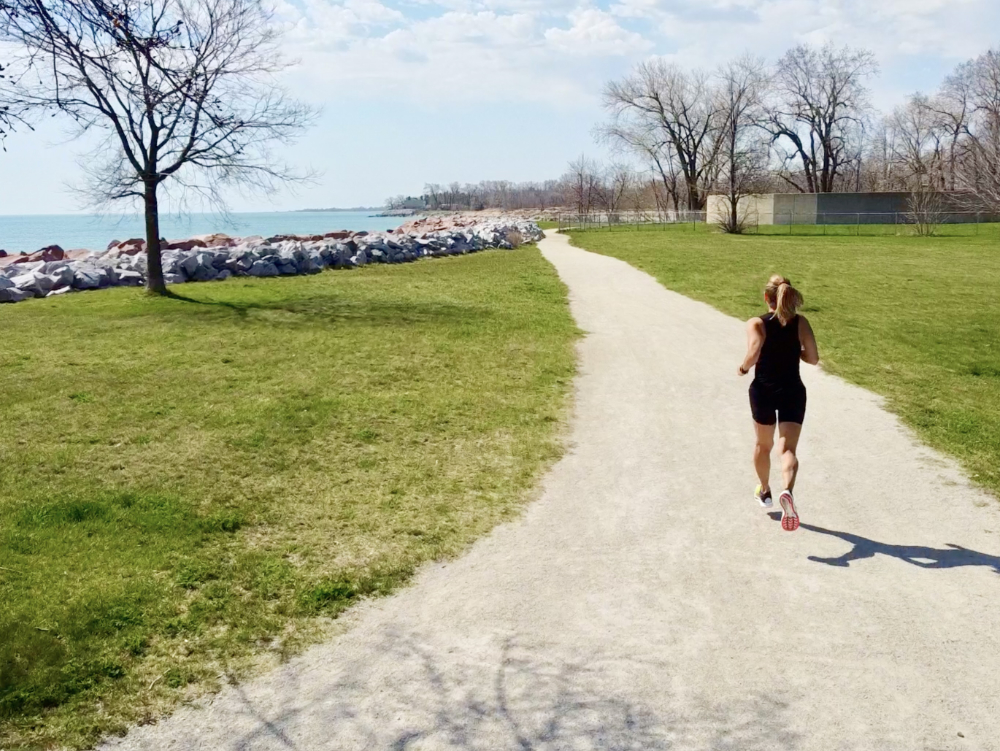
Being in the right mindset before a run is crucial for harnessing its full potential to impact both creativity and mood. The phrase “one run can change your mood, your day, and even your life” holds an undeniable magic that resonates with many of us, myself included. As a professional creative, I’ve consistently marveled at how running can ignite my creativity in remarkable ways. I feel fortunate to merge my passion for running with my creative career. Specifically, when I approach my runs with intentional creativity, I find that time flies and inspiration strikes effortlessly.

This week, after feeling overwhelmed with a project, I decided to infuse my run with purpose. The result? A burst of creativity that yielded an entire marketing concept for the project. It’s moments like these that remind me of the profound connection between physical activity and creativity. Definitely, that run not only uplifted my mood and day but also reinforced the notion that a positive mindset is crucial for getting positive impacts from exercise. While the best ideas aren’t always guaranteed, approaching a run with intentionality and mindfulness can undoubtedly shape one’s life.

Running offers numerous physical and mental benefits that amplify creativity. Whether it’s by enhancing blood flow to the brain, reducing stress, or fostering a positive mental state, running serves as a potent tool for unlocking creativity and problem-solving.


Running has been shown to have several potential benefits for sparking creativity:

Enhanced Blood Flow to the Brain: Running increases blood flow to the brain, delivering more oxygen and nutrients to brain cells. This can enhance cognitive function and creativity.

Stress Reduction: Running can reduce stress levels. Lower stress levels are often associated with increased creativity as it allows the mind to relax and think more freely.

Mind-Wandering: While running, your mind often wanders, allowing it to make connections between ideas and generate new insights. This state of relaxed attention can be conducive to creative thinking.

Release of Endorphins: Running triggers the release of endorphins, neurotransmitters that can improve mood and reduce pain perception. This can create a positive mental state that is conducive to creativity.

Brain Plasticity: Regular aerobic exercise, like running, has been shown to promote neuroplasticity, the brain’s ability to form new connections and adapt to new challenges. This can enhance cognitive function, including creativity.

Solving Problems: Running provides a break from focused thinking, allowing your mind to subconsciously work on problems or ideas in the background. Many people find that their best ideas come to them during or after a run.

Improved Sleep: Regular exercise, including running, can improve the quality of your sleep. Better sleep is associated with improved cognitive function, including creativity.

Boosted Confidence: Achieving running goals, such as completing a certain distance or improving your pace, can boost self-confidence. This confidence can carry over into other areas of your life, including creative endeavors.

Ultimately, being in the right mindset before a run involves a combination of mental preparation, intentionality, and receptivity. By approaching the run with mindfulness, positivity, and a sense of purpose, one can maximize its potential to positively impact both creativity and mood.

With love and care, Francis.